When a person dials 111 in New Zealand, the call is answered by a telecommunications operator (Spark or Vodafone) who asks which emergency service is required, Police, Fire, or Ambulance, and transfers accordingly. Each emergency service operates its own dedicated communications centres staffed by trained call-takers and dispatchers.
🚨
New Zealand Emergency Services
Emergency Services Dashboard
Police · Ambulance · Fire & Emergency · Tactical Response · Search & Rescue · 111 Comms
~16,000
Total Personnel
~3.5M
Annual 111 Calls
$4.7B+
Combined Budget
~3.5M
Annual 111 Calls (all services)
~9,600 calls per day · 2024/25
~1,450
Call-takers & Dispatchers
Across all comms centres
6
Communications Centres
Police (3) · St John (2) · FENZ (1)
<10s
Target Answer Time
90% of calls within 10 seconds
📞 How a 111 Call Works
Caller Dials 111
Cell, landline or VoIP
→
Telco Operator
Spark / Vodafone screen & route
→
Comms Centre
Police / St John / FENZ call-taker
→
Responder
Officer / paramedic / firefighter en route
←
Dispatcher
Closest available unit tasked
←
CAD System
Incident created & units assigned
Source: NZ Police, Hato Hone St John, FENZ — operational documentation
Police Communications Centres
👮 NZ Police — 3 Communications Centres
NZ Police operates three Communications Centres: Auckland (Northern), Wellington (Central), and Christchurch (Southern). These centres handle all 111 Police calls, as well as non-emergency 105 calls. They use the CARD (Computer Aided Resource Deployment) system for dispatch.
| Centre | Location | District Coverage | Call-takers / Dispatchers | Annual Call Volume | Answer Time Target |
|---|---|---|---|---|---|
| Northern Comms | Auckland | Northland, Waitemata, Auckland, Counties Manukau | ~280 | ~600,000 | 90% within 10 sec |
| Central Comms | Wellington | Waikato, Bay of Plenty, Eastern, Central, Wellington, Tasman | ~240 | ~500,000 | 90% within 10 sec |
| Southern Comms | Christchurch | Canterbury, Southern | ~180 | ~380,000 | 90% within 10 sec |
Police also handle non-emergency 105 line calls. Combined 111 + 105 Police call volume exceeds 1.4 million per year. Source: NZ Police Annual Report 2024/2025.
Ambulance Communications Centres
🚑 Hato Hone St John & Wellington Free Ambulance Comms
Ambulance communications in NZ are handled by two providers. Hato Hone St John operates two Communications Centres, in Auckland and Christchurch, covering most of New Zealand. Wellington Free Ambulance covers the Wellington and Wairarapa region from its own communications centre. St John uses the Intergraph CAD system.
| Centre | Operator | Location | Coverage | Call-takers / Dispatchers | Annual Medical 111 Calls |
|---|---|---|---|---|---|
| St John Comms (North) | Hato Hone St John | Auckland | North Island (excl. Wellington/Wairarapa) | ~250 | ~620,000 |
| St John Comms (South) | Hato Hone St John | Christchurch | South Island | ~150 | ~400,000 |
| WFA Comms | Wellington Free Ambulance | Wellington | Wellington / Wairarapa region | ~60 | ~85,000 |
Total medical 111 calls now exceed 1.1 million per year. Source: Hato Hone St John Annual Report 2024/2025; Wellington Free Ambulance Annual Report 2024/2025.
Fire Communications Centre
🔥 FENZ — National Communications Centre
Fire and Emergency New Zealand (FENZ) operates a single National Communications Centre (NCC) based in Wellington, which handles all fire-related 111 calls nationwide. This centralised model was adopted after FENZ's formation in 2017 from the merger of New Zealand Fire Service and Rural Fire Authority. FENZ uses the VISION CAD system.
| Centre | Location | Coverage | Call-takers / Dispatchers | Annual Fire 111 Calls | Answer Time |
|---|---|---|---|---|---|
| FENZ National Comms Centre (NCC) | Wellington | Nationwide | ~120 | ~150,000 | 95% within 5 sec |
FENZ also coordinates non-fire emergency responses including hazmat, rescue, and marine incidents. Staffing levels at the National Communications Centre have been a point of contention between FENZ and the firefighters' union during 2025/2026 bargaining. Source: FENZ Annual Report 2024/2025.
Technology Systems
💻 CAD & Dispatch Technology
| Service | CAD System | Supplementary Systems | Notes |
|---|---|---|---|
| NZ Police | CARD (Computer Aided Resource Deployment) | NIA (National Intelligence Application), Eagle i | Custom Police system; Eagle i is aerial-ground command integration |
| Hato Hone St John | Intergraph CAD (Hexagon) | ProQA (Medical Priority Dispatch), AVL | ProQA provides structured clinical pre-arrival instructions |
| Wellington Free Ambulance | Intergraph CAD | ProQA | Integrated with St John systems for cross-boundary responses |
| FENZ | VISION CAD | Resource Mapping, AVL, FENZ Mobile | Centralised dispatch for all career and volunteer stations |
Source: NZ Police, Hato Hone St John, FENZ — publicly available technology documentation, current as of 2025/2026. AVL = Automatic Vehicle Location.
10,139
Sworn Officers (Constabulary)
As at June 2025
~4,650
Non-Sworn Staff
Civilian & support roles
12
Police Districts
Nationwide coverage
~$2.8B
Annual Operating Budget
2024/2025
⚠️ Staffing Shortfall: NZ Police is currently around 500–600 officers below the coalition government's target of 10,711 sworn officers. An independent Treasury review in 2025/2026 also identified hundreds of millions of dollars in unfunded cost pressures, with frontline numbers running below their funded establishment even as non-sworn (civilian) headcount has grown faster than originally forecast.
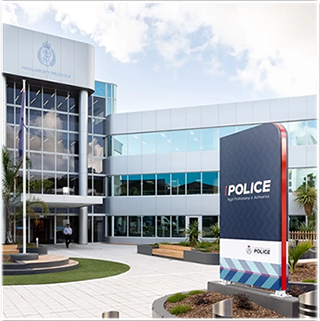
Stations by District
Staffing Breakdown & Ranks
👮 Officer Roles & Deployment
| Role Category | Approx. Numbers | Notes |
|---|---|---|
| Frontline Patrol Officers | ~5,500 | Uniform general duties, first responders |
| Detectives (CIB) | ~1,200 | Criminal Investigation Branch; serious crime, homicide, fraud |
| Road Policing Officers | ~650 | Traffic enforcement, crash investigation |
| Back Office / Support (sworn) | ~1,400 | Management, planning, specialist units, admin |
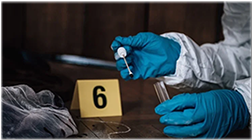
| Forensic Services | ~320 (incl. civilian) | Crime scene, forensic pathology, digital forensics, DNA |
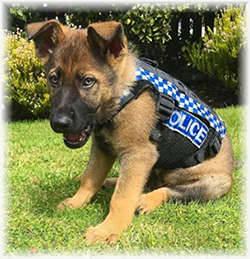
| Dog Unit Handlers | ~200 | 200 dog teams across NZ (handler + dog) |
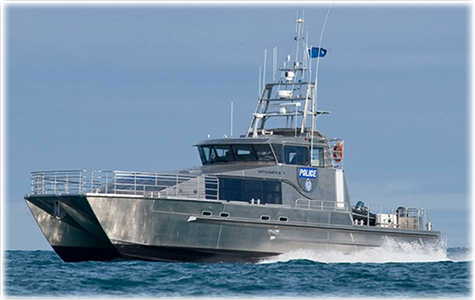
| Maritime Police | ~80 | Harbour masters, coastal patrol, SAR |
| Armed Offenders Squad (AOS) | ~380 | All districts; part-time tactical role (see Tactical tab) |
| Non-Sworn Staff | 3,862 | Comms, admin, intelligence, forensic technicians, HR, IT |
Source: NZ Police Annual Report 2024/2025; NZ Police Commissioner's statement 2025/2026.
🏅 NZ Police Rank Structure
| Rank | Approx. Numbers | Role |
|---|---|---|
| Constable | ~5,400 | Entry-level sworn officer; frontline patrol and response |
| Senior Constable | ~2,800 | Experienced officer; specialist roles, mentoring |
| Sergeant | ~1,000 | First-line supervisor; shift commander |
| Senior Sergeant | ~280 | Senior shift/team supervisor; station officer in charge |
| Inspector | ~240 | Area / station commander; tactical command |
| Superintendent | ~80 | District command; major operations commander |
| Assistant Commissioner | ~12 | National portfolio leads (crime, road policing, etc.) |
| Deputy Commissioner | 3 | Operational, Organisational, and Māori/Pacific |
| Commissioner | 1 | Head of NZ Police |
Approximate numbers based on workforce proportions. Source: NZ Police Annual Report 2024/2025.
Response Times
⏱️ Response Time Targets vs Actual (2024/2025)
| Priority | Area Type | Target | Actual (avg) | Status |
|---|---|---|---|---|
| Priority 1 (Immediate threat to life) | Urban | 8 min | ~9.5 min | BELOW TARGET |
| Priority 1 (Immediate threat to life) | Rural | 15 min | ~18 min | BELOW TARGET |
| Priority 2 (Non-immediate) | Urban | 15 min | ~16 min | MARGINAL |
| Priority 2 (Non-immediate) | Rural | 30 min | ~32 min | MARGINAL |
| Priority 3 (Routine) | All | 60 min | ~55 min | ON TARGET |
Source: NZ Police Annual Report 2024/2025. Response times vary significantly by district; rural Eastern and Central districts show greatest variance.
Charts
Priority 1 Urban Response Time (minutes) — 5-year Trend
Source: NZ Police Annual Reports, 5-year trend to 2024/25. Target = 8 minutes.
Police Budget vs Sworn Officers — 5-year Trend
Budget in NZ$M. Source: NZ Police Annual Reports, 5-year trend to 2024/25.
Sworn Officers vs National 111 Call Volume
Call volume in thousands. Source: NZ Police Annual Reports.
Officers by Rank Category
Approximate distribution based on annual report workforce data.
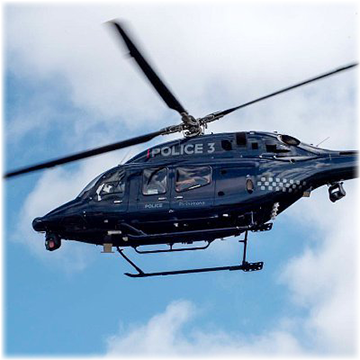
Equipment & Fleet
Forensic Services
Dog Units
Maritime Police
Primary sources: NZ Police Annual Report 2024/2025; NZ Police Association; Commissioner media statements 2025/2026; Treasury Independent Rapid Review of Police, 2025.
~4,000
Clinical Staff (St John + WFA)
Paramedics, EMTs, first responders
~11,000
Volunteers
Hato Hone St John volunteer workforce
254
St John Stations
+ Wellington Free Ambulance stations
~87%
Government-Funded Share
Remainder from donations & charges, 2024/25
⚠️ Paramedic Shortage & Funding Shortfall: New Zealand faces an ongoing shortage of Intensive Care Paramedics (ICPs), with rural and provincial areas disproportionately affected and some communities relying heavily on volunteers. This workforce pressure is closely tied to ambulance funding: Hato Hone St John has stated the current charity-supplemented model is no longer fit for purpose, warning of an existential threat to service sustainability ahead of Budget 2026, while unions report New Zealand paramedics are paid substantially less than counterparts in Australia, driving trans-Tasman attrition.
Staffing
🚑 Clinical Workforce Breakdown
| Role | Qualification Level | Approx. Numbers | Notes |
|---|---|---|---|
| Intensive Care Paramedic (ICP) | Advanced clinical; NZ Paramedic Board registered | ~550 | Highest pre-hospital clinical level; administer drugs, advanced airway management |
| Advanced Paramedic (AP) | Intermediate advanced scope | ~250 | Bridging qualification; not all districts have this tier |
| Paramedic | NZ Paramedic Board registered | ~1,100 | Core clinical responders; majority of career workforce |
| Emergency Medical Technician (EMT) | Level 4 NZQA qualification | ~700 | Operational responders; some clinical procedures |
| First Responder | Basic first aid / CPR / AED | ~1,400 (career) | Patient transport, first response support |
| Communications Staff | Trained dispatchers | ~440 | Across St John (2 centres) + WFA (1 centre) |
| St John Volunteers | Varies (Level 2–4) | ~11,000 | Primary responders in many rural areas |
Source: Hato Hone St John Annual Report 2024/2025; Wellington Free Ambulance Annual Report 2024/2025; Paramedicine NZ.
Stations
🏥 Hato Hone St John Stations
| Region | Stations |
|---|---|
| Northland | 16 |
| Auckland (3 DHBs) | 34 |
| Waikato / Bay of Plenty | 42 |
| Hawke's Bay / Gisborne | 22 |
| Manawatu-Whanganui | 18 |
| Tasman / West Coast | 14 |
| Canterbury | 24 |
| Otago / Southland | 28 |
| Other South Island | 16 |
| Total | 254 |
🏥 Wellington Free Ambulance Stations
Wellington Free Ambulance (WFA) is unique in New Zealand, the only free ambulance service, with no patient charge for emergency response across the Wellington, Hutt Valley and Wairarapa region. Founded in 1927, it is funded mostly through government contracts, supplemented by community fundraising (around $8–12 million per year).
| Station | Type |
|---|---|
| Wellington CBD | Main base |
| Miramar | Station |
| Porirua | Station |
| Hutt Hospital | Station |
| Upper Hutt | Station |
| Kapiti (Paraparaumu) | Station |
| + 6 additional satellite bases | Satellite |
Fleet
🚑 National Ambulance Fleet
| Vehicle Type | Operator | Approx. Numbers | Notes |
|---|---|---|---|
| Road Ambulances (frontline) | Hato Hone St John | ~730 | Mercedes Sprinter, Toyota HiAce, and similar platforms |
| Road Ambulances | Wellington Free | ~45 | Covers Wellington / Hutt Valley / Wairarapa |
| Rapid Response Vehicles (RRV) | Hato Hone St John | ~120 | Single paramedic fast response; SUVs and sedans |
| Patient Transport Vehicles | Hato Hone St John | ~280 | Non-emergency inter-hospital transfers |
| Air Ambulance Helicopters | Various (contracted) | ~20 | Operated by Westpac Rescue, Otago, Canterbury, and other regional rescue helicopter trusts |
| Fixed-wing air ambulance | Air Ambulance NZ / Hato Hone St John | ~8 | Inter-island and long-distance transfers |
Response Times
⏱️ Ambulance Response Times — Target vs Actual
| Priority | Area | Target | Actual (avg 2024/25) | Status |
|---|---|---|---|---|
| P1 Life-threatening (DELTA / Echo) | Urban | 8 min (75th percentile) | ~9.3 min | BELOW TARGET |
| P1 Life-threatening | Rural | 15 min | ~19.5 min | BELOW TARGET |
| P2 (CHARLIE) | Urban | 15 min | ~14.9 min | ON TARGET |
| P2 (CHARLIE) | Rural | 30 min | ~28.5 min | ON TARGET |
Response times use the Medical Priority Dispatch (ProQA) classification system. Rural P1 response times remain the most concerning metric, with growing demand from an ageing population placing further pressure on rural coverage. Source: Hato Hone St John Annual Report 2024/2025; Health NZ monitoring data.
Charts
P1 Response Time Trend — Urban vs Rural (min)
Source: Hato Hone St John Annual Reports, 5-year trend to 2024/25. Target lines: 8 min urban, 15 min rural.
111 Medical Call Volume — 5-year Trend
Combined Hato Hone St John + Wellington Free calls. Source: Annual Reports.
Ambulance Funding vs Demand Gap
Government contract vs estimated full operating cost. Source: Hato Hone St John; Beehive.govt.nz funding announcements.
Call Priority Breakdown (2024/2025)
Based on ProQA classification. Source: Hato Hone St John Annual Report 2024/2025.
Funding Shortfall & the Case for Full Funding
Primary sources: Hato Hone St John Annual Report 2024/2025; Wellington Free Ambulance Annual Report 2024/2025; Health NZ; Paramedicine NZ; Beehive.govt.nz; RNZ, Newsroom, and 1News reporting 2024–2026.
~1,900
Career Firefighters
Sworn FENZ operational staff
~8,300
Volunteer Firefighters
Largely static for several years
~600
Fire Stations
Career & volunteer combined
~$838M
Annual Funding
2025 — fleet condition under inquiry
⚠️ Fleet Reliability & Governance Under Parliamentary Inquiry: FENZ's annual funding has more than doubled since the organisation's establishment in 2017 (from a Fire Service Commission budget of around $340 million to roughly $838 million in 2025), yet firefighter numbers have remained largely static and the firefighters' union says not one new fire appliance was introduced to career stations for an eight-year period. In April 2026, Parliament's Governance and Administration Select Committee opened a formal inquiry into FENZ's fleet management after reports of recurring appliance breakdowns, including an incident during the April 2025 North Shore fires in which a crew had to be rescued after their truck broke down mid-incident. FENZ disputes some of the union's characterisations and says 59% of its 2025/26 operating budget is allocated to frontline activity, but the dispute over how funding has been used, rather than whether funding exists, is now the central issue facing the service.
Staffing & Shortages
🔥 Staffing Overview
| Category | Numbers | Trend | Notes |
|---|---|---|---|
| Career Firefighters | ~1,900 | STATIC | Concentrated in career stations; mostly urban centres |
| Volunteer Firefighters | ~8,300 | STATIC | Largely unchanged in recent years despite rising FENZ revenue |
| Comms Centre Staff | ~120 | UNDER PRESSURE | National Communications Centre (Wellington); staffing levels a point of dispute in 2025/26 bargaining |
| Support / Non-Operational Staff | ~4,500+ | GROWING | Management and back-office headcount has reportedly grown faster than frontline numbers since 2017 |
| Total Workforce | ~14,900 | — | Career + volunteer + comms + support, per FENZ reporting |
📊 Disputed Staffing Trend: The NZ Professional Firefighters Union (NZPFU) says FENZ has doubled non-operational staff (including management) since 2017 while frontline firefighter and emergency communications numbers have stayed largely flat. The union has also raised concerns that FENZ is reversing earlier staffing improvements intended to prevent under-crewed truck responses. FENZ disputes aspects of this characterisation; the dispute forms part of the ongoing 2025/26 collective bargaining process and the parliamentary fleet inquiry.
Fleet & Equipment
🚒 Appliance Fleet
| Appliance Type | Approx. Numbers | Reported Breakdowns / Reliability Issues | Primary Use |
|---|---|---|---|
| Pumping Appliances (Pumps) | ~650 | ELEVATED | Urban structure fire; water supply from hydrant |
| Tankers | ~490 | ELEVATED | Rural / semi-rural; carry own water supply |
| Aerial Appliances (Ladder/Platform) | ~22 | HIGH — UNDER INQUIRY | High-rise rescue, elevated firefighting; major urban centres only |
| Rescue Vehicles | ~60 | NOT QUANTIFIED | Technical rescue, road crash rescue, confined space |
| Hazmat Units | ~28 | NOT QUANTIFIED | Hazardous materials incidents; regional deployment |
| Foam Tenders | ~12 | NOT QUANTIFIED | Airport / petroleum fire response |
| Command Units | ~25 | NOT QUANTIFIED | Incident command and communications |
| Vegetation / Wildfire Units | ~180 | NOT QUANTIFIED | Rural fire suppression; light attack |
⚠️ Appliance Breakdowns Under Parliamentary Inquiry: FENZ does not publish a consolidated national breakdown count, so an exact total figure cannot be cited here. What is documented: roughly 27% of FENZ appliances were assessed as beyond their target 20–25 year asset life as of FENZ's 2023 Briefing to the Incoming Minister, with the union describing the fleet's average age as now exceeding 20 years. The April 2026 select committee inquiry, open for public submissions on appliance condition, mechanical failures, and response delays, was prompted partly by an incident during the April 2025 North Shore fires in which firefighters had to be rescued after their appliance broke down mid-fire, forcing an aerial appliance to be diverted from firefighting to the rescue. The union also alleges an eight-year period in which no new appliance reached career fire stations; FENZ has disputed elements of this account, and the inquiry's findings, due to report to Parliament following the close of submissions on 30 April 2026, should be treated as the most authoritative source once published.
Stations
Call Volumes
Response Times
⏱️ FENZ Response Time Targets vs Actual
| Station Type | Target | Actual (avg) | Status |
|---|---|---|---|
| Career Urban (first appliance) | 6 min from alert | ~6.8 min | MARGINAL |
| Career Urban (second appliance) | 9 min from alert | ~9.5 min | MARGINAL |
| Volunteer Semi-urban | 10 min | ~11.5 min | BELOW TARGET |
| Volunteer Rural | No standard target | Highly variable (10–40+ min) | VARIABLE |
Source: FENZ Annual Report 2024/2025. Volunteer rural response times are affected by appliance reliability issues currently under parliamentary inquiry; see Fleet & Equipment section above.
Charts
FENZ Career Response Time Trend (min avg)
Source: FENZ Annual Reports, 5-year trend to 2024/25.
FENZ Funding Growth Since Establishment (2017–2025)
Funding in NZ$M. FENZ funding has more than doubled since 2017 even as frontline numbers have stayed largely static, the basis of the union's call for an independent inquiry. Source: NZPFU; Insurance Business NZ reporting, March–April 2026.
Career vs Volunteer Firefighter Numbers — Trend
Source: FENZ Annual Reports. Firefighter numbers have remained largely static despite substantial funding growth over the same period.
Incident Type Breakdown 2024/2025
False alarms (automatic & other) account for ~60% of all incidents. Source: FENZ Annual Report 2024/2025; Insurance Business NZ, April 2026.
Primary sources: FENZ Annual Report 2024/2025; NZ Professional Firefighters Union (NZPFU) statements, March–April 2026; Insurance Business NZ reporting on the parliamentary fleet inquiry, April 2026; McGuinness Institute submission to the Governance and Administration Select Committee, April 2026; Fire and Emergency New Zealand Act 2017.
~380
AOS Officers (est.)
Armed Offenders Squad — all districts
~130
STG Officers (est.)
Special Tactics Group — national unit
12
AOS Teams
One per Police district
~930
Annual AOS Deployments
Callouts across all districts, 2024/25
ℹ️ Data Limitations: Exact personnel numbers for AOS and STG are not publicly released by NZ Police for operational security reasons. Figures above are estimates based on Police Annual Reports, parliamentary questions, media reporting, and independent research.
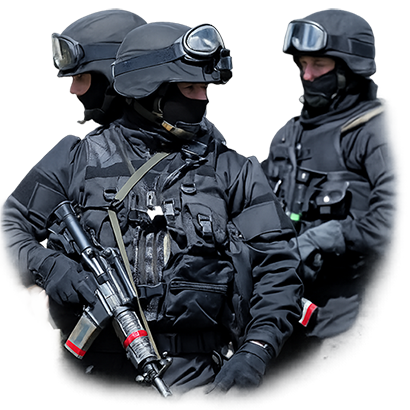
🔫 Armed Offenders Squad (AOS)
District-level tactical response — NZ's primary armed response capability
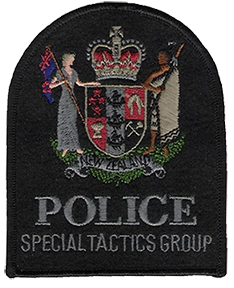
⚡ Special Tactics Group (STG)
National counter-terrorism and specialist tactical capability
AOS vs STG — Comparison
⚖️ AOS vs STG — Role Comparison
| Factor | AOS | STG |
|---|---|---|
| Employment Model | Part-time (alongside normal duties) | Full-time tactical role |
| Activation Level | District (all 12 districts) | National |
| Trigger for Deployment | Armed offender, barricaded person, high-risk warrant | Counter-terrorism, incident exceeding AOS capability, STG-specific warrants |
| Primary Threat Level | Serious armed crime | Terrorism, organised crime at national scale |
| Training Intensity | Regular but part-time | Full-time professional training |
| Equipment Level | Tactical firearms, body armour, shields | Full CT assault kit, night vision, precision rifles, maritime capability |
| Response Geography | Within district | Nationwide + Pacific region |
Deployment Data
AOS Annual Deployment Trend
Source: NZ Police Annual Reports, 5-year trend to 2024/25. Significant increase in armed callouts reflects rising firearms-related offending.
AOS Callout Outcomes (2024/2025, est.)
Most AOS activations resolve without use of firearms. Source: NZ Police Annual Report estimates.
Sources: NZ Police Annual Report 2024/2025; NZ Police media releases; parliamentary questions on tactical deployment; Thomas, J. (2021), NZ Police Tactical Response capacity review; public reporting on Christchurch mosque attack response.
~11,400
People in the SAR Sector
88% volunteers · NZSAR, June 2024
~1,200
Annual SAR Operations
Land & maritime combined
~800
RCCNZ-Coordinated SAR Incidents
Category 2 searches per year
~85%
Rescue Success Rate
Persons located alive
🏔️ LandSAR New Zealand
Land-based search and rescue — volunteer network covering all regions
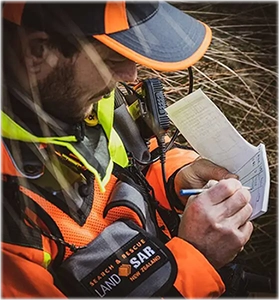
LandSAR (Land Search and Rescue) is New Zealand's primary land-based search and rescue organisation. It operates through volunteer groups affiliated with regional police districts. LandSAR volunteers assist Police SAR coordinators in searching for missing persons in mountains, forests, rivers, and other terrain.
NZ's diverse terrain, from the Southern Alps to Northland forests, makes land SAR a complex and dangerous undertaking. LandSAR teams use GPS tracking, drone technology, dogs, and advanced navigation skills to locate missing persons in remote areas.
Volunteers
~3,000 trained volunteers across 68 local groups and specialist disciplines nationwide
Annual Callouts
~700–800 incidents per year; 2,000–3,000 person deployments
Common Subjects
Trampers, hunters, trail runners, day walkers, elderly persons (dementia), missing children
Equipment
GPS devices, portable radios (P25 digital), drones (DJI platforms for aerial search), stretchers, medical kits, SAR dogs, thermal imaging cameras
Training
Progressive competency framework: Basic SAR skills → Navigation → Team Leader → Incident Controller. Annual exercises and multi-agency training.
Coverage Gaps
Some remote South Island regions have very thin LandSAR coverage; helicopter dependency for access means weather can severely delay response
Funding
NZ Government contract via NZSAR Secretariat; equipment and training costs; approximately $9–11M annual public investment, 2025/26
⚓ Coastguard New Zealand
Maritime search and rescue — volunteer rescue craft network
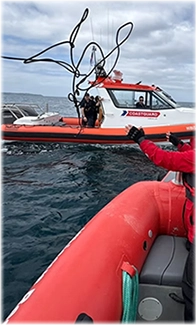
Coastguard NZ is the primary volunteer maritime rescue organisation, operating a network of rescue vessels around New Zealand's 15,000+ km coastline and inland waterways. Coastguard responds to vessels in distress, persons overboard, flooding incidents, and recreational boating emergencies.
Coastguard works under the coordination of Rescue Coordination Centre New Zealand (RCCNZ), which is operated by the Civil Aviation Authority (CAA) and manages both maritime and aviation SAR nationally.
Volunteers
2,000+ active volunteers nationally (figures vary by source and season; some reporting cites higher seasonal numbers)
Paid Staff
100+ paid national office and support staff
Rescue Vessels
~100 rescue craft (rigid inflatable rescue boats, purpose-built rescue vessels); largest are 8–10m aluminium vessels with twin outboards
Annual Callouts
~2,000+ operations per year (rescue, assistance, and medical evacuations)
Lives Saved
Coastguard estimates 500+ lives saved per year through proactive assistance
Training
Boatmaster certification, first aid, radio communications, navigation; regular crew training exercises; national standards enforced
Key Locations
Units at every major coastal city and harbour; highest volume: Auckland Harbour, Bay of Plenty, Marlborough Sounds, Canterbury, Wellington Harbour
Funding
~$20M+ per year; government contract (Maritime NZ), donations, fundraising; vessel funding partly from community
Challenges
Volunteer recruitment and retention; ageing vessel fleet in some units; radio communication gaps in remote coastal areas
🚁 Police SAR
NZ Police Search and Rescue coordination & helicopter assets
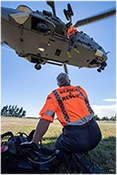
NZ Police is the lead agency for land search and rescue in New Zealand. Police SAR Coordinators (PSARCo) manage all land SAR operations, working with LandSAR and other volunteer groups. Police also access helicopter assets for SAR, primarily through the NZ Police Air Support Unit and contracted operators.
Police SAR Coordinators
~80 trained PSARCo across all districts; most are detective-level or above
Air Support
8 Police helicopters + access to rescue helicopters (Hato Hone, Westpac, rescue trusts)
Annual SAR Operations (Police-led)
~750–900 per year; includes land, urban, and coastal operations
RCCNZ Coordination
Rescue Coordination Centre NZ (RCCNZ) handles maritime and aviation SAR; Police coordinates with RCCNZ on cross-domain incidents
Special Assets
NZ Police Eagle (aircraft with thermal imaging, NightSun searchlight); SAR dogs; drone units (growing capability)
Regional Breakdown
🗺️ SAR Activity by Region
| Region | Dominant SAR Type | Annual Incidents (approx.) | Key Challenges |
|---|---|---|---|
| Auckland / Northland | Maritime, urban | 400+ | High coastal traffic volume; busy harbours; recreational boating |
| Bay of Plenty / Waikato | Maritime, tramping | 180+ | Active Tongariro Alpine Crossing; White Island / Whakaari area |
| Wellington / Marlborough | Maritime, coastal tramping | 150+ | Cook Strait weather; Marlborough Sounds vessel emergencies |
| West Coast / Canterbury | Alpine, river | 200+ | Southern Alps terrain; glaciers; river crossings; remote access |
| Otago / Fiordland / Southland | Alpine, remote | 180+ | Most complex terrain in NZ; limited helicopter access in weather; Milford Track, Routeburn |
| Hawke's Bay / Eastland / Taranaki | Coastal, bush tramping | 90+ | Remote East Coast access; Egmont National Park |
Charts
SAR Incident Trend — Land vs Maritime
Source: NZSAR Annual Reports; LandSAR and Coastguard data, 5-year trend to 2024/25.
SAR Outcomes (2024/2025, est.)
Source: NZSAR Secretariat, LandSAR, Coastguard Annual Reports.
SAR Volunteer Numbers — Trend
Combined LandSAR + Coastguard volunteers. Source: Respective Annual Reports; NZSAR sector workforce data, June 2024.
Funding vs Demand
Government SAR investment in NZ$M. Source: NZSAR Secretariat.
Sources: NZSAR Secretariat sector workforce data, June 2024; LandSAR New Zealand (landsar.org.nz); Royal New Zealand Coastguard; NZ Police Annual Report 2024/2025; RCCNZ statistical data; New Zealand Search and Rescue System Strategic Plan 2025–2028.
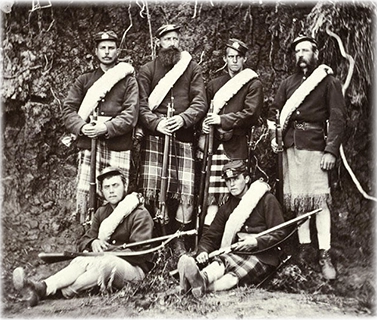
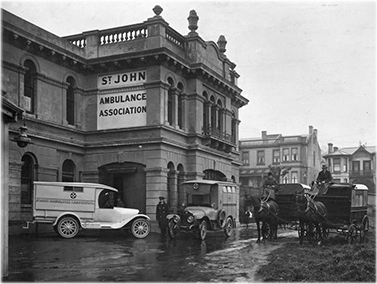
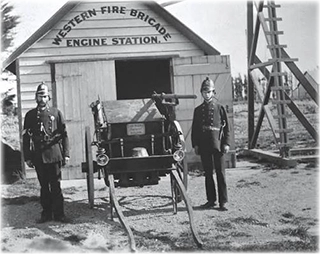
New Zealand's emergency services have evolved over more than 150 years from colonial constabularies and volunteer fire brigades into modern, professional organisations.
This section covers the key moments that shaped each service.
Police History
⚫ The Aramoana Massacre — November 1990
On 13–14 November 1990, David Gray shot and killed 13 people in the small Canterbury settlement of Aramoana in what remains New Zealand's worst mass shooting. Police responded to initial callouts without full awareness of the scale of the incident, and the situation evolved into an extended siege lasting more than 12 hours. Gray was shot and killed by Police on 14 November after he emerged from a house firing at officers.
The Aramoana massacre was a watershed moment for NZ Police tactical response. The event revealed significant gaps in armed response capability, communications, and command structures for mass-casualty events. The Armed Offenders Squad already existed at the time, it had been established in 1964, but Aramoana exposed serious shortcomings in how it was structured, trained, and activated. It led directly to a major review that strengthened and reformed the AOS structure across all districts, with greater training investment, clearer activation protocols, and tighter command coordination. In many ways, the modern AOS structure as it operates today traces its roots to the lessons learned from Aramoana, even though the squad itself predates the event by more than two decades.
Ambulance History
Fire History
Tactical Response History
🕌 Christchurch Mosque Attacks — 15 March 2019
At 1:40 PM on 15 March 2019, a gunman opened fire at Al Noor Mosque on Deans Avenue, Christchurch. He subsequently drove to Linwood Islamic Centre and continued shooting. 51 people were killed and 40 injured in what was the worst terrorist attack in New Zealand's history.
NZ Police AOS teams were activated immediately. The offender was intercepted by AOS officers on Brougham Street at 1:56 PM, 36 minutes after the first 111 call, and arrested after his vehicle was rammed. No further attacks occurred.
The response demonstrated both the capability of AOS to rapidly mobilise across a city and the critical importance of 111 communications in multi-site mass-casualty events. The attacks led to the Arms (Prohibited Firearms, Magazines, and Parts) Amendment Act 2019, which banned military-style semi-automatic weapons in New Zealand.
Search & Rescue History
Sources: NZ Police historical archives; FENZ historical records; Hato Hone St John; LandSAR; Coastguard NZ; Ministry of Justice; NZ Parliamentary records; Aramoana inquiry reports; Royal Commission of Inquiry into the Christchurch Mosque Attacks (2020).